What your donation actually powers in 2025
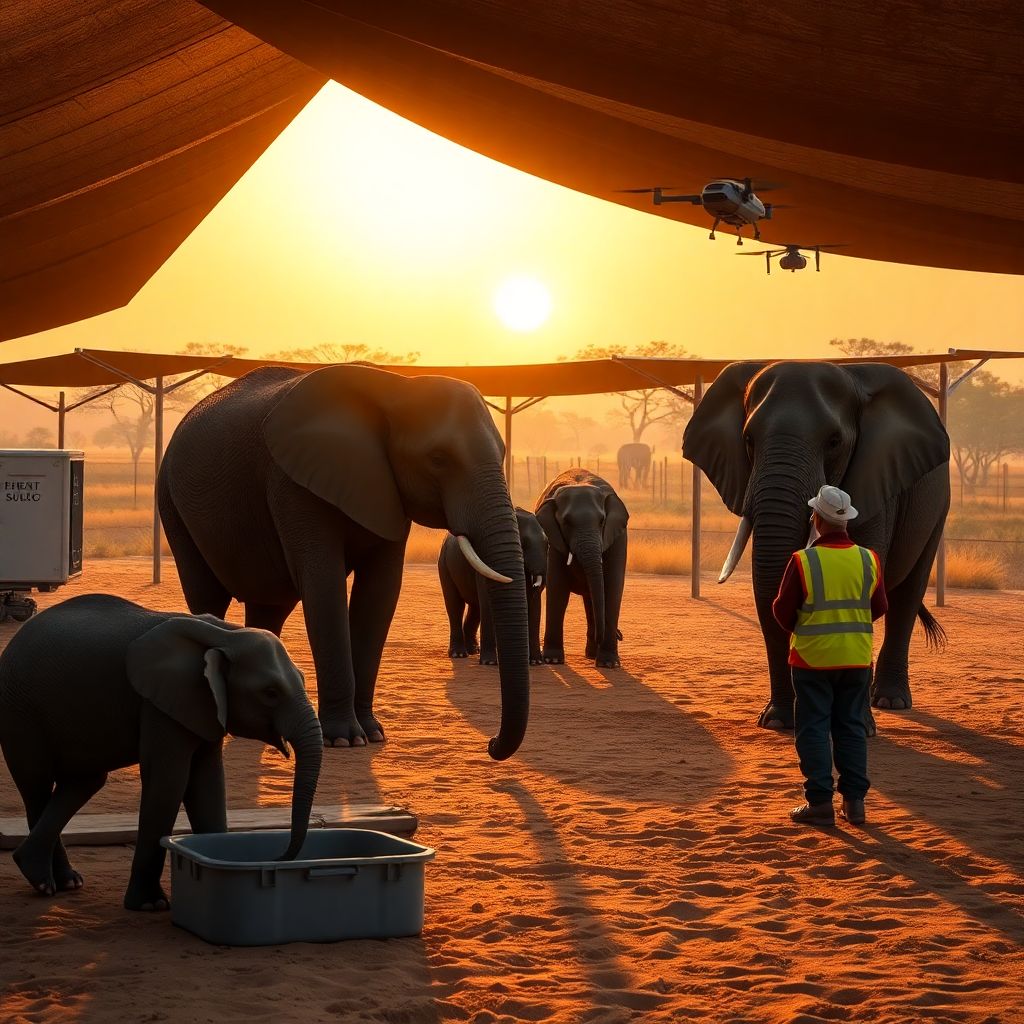
In 2025, elephant sanctuaries run more like smart hospitals crossed with regenerative farms than the old image of quiet paddocks and fruit baskets. When you donate to elephant sanctuary programs today, you’re helping fund telemetry collars that feed live data to conflict-response teams, solar-chilled pharmacies that keep heat-sensitive antibiotics viable, and AI models that forecast browse availability so herds aren’t stressed in drought swings. A single adult elephant can eat 120–180 kilograms of fodder per day and drink 150–200 liters of water, which means the daily logistics alone are nontrivial. Add in ultrasound checks for foot abscesses, laser-guided fencing to steer elephants away from roads, and community rangers trained in de-escalation, and you’re looking at a modern, systems-level operation where every dollar is traceable to outcomes you can measure.
Where the money goes: the line items that truly move the needle
Sanctuaries report the same pressure points year after year, but the numbers have sharpened. Veterinary diagnostics—portable X‑rays, blood chemistry analyzers—now cost less than a decade ago, yet the consumables (reagents, sterile kits) still eat 30–40% of vet budgets. GPS collars run roughly $1,500–$2,500 each, with annual satellite data at $200–$400 per unit; thermal drones suitable for night monitoring are $3,000–$8,000. Fencing to separate farmland from elephant corridors averages $2,500–$5,000 per kilometer, while beehive fences—surprisingly effective—cost around $800–$1,200 per 100 meters including maintenance. Feed is hyperlocal: cut-and-carry napier grass at $40–$70 per ton, supplemental pellets at $300–$500 per ton, salts and mineral licks $150–$250 per block set. Then there’s water: borehole drilling can be $5,000–$15,000 depending on depth, plus solar pumping rigs in the $2,000–$6,000 range to keep troughs running through heatwaves.
Real-world cases that show impact, not promises
Look at Kenya’s Sheldrick Wildlife Trust: since 1977, it has rescued more than 300 orphaned elephants, with over 160 individuals reintegrated back to the wild—a reintegration rate that has inched up as milk formulas improved and soft-release protocols matured. In Thailand, Elephant Nature Park cares for 100+ elephants retired from trekking or logging; their shift to community-based, “hands-off” observation tourism after 2020 stabilized income while reducing stress-related injuries. Wildlife SOS in India established South Asia’s first dedicated Elephant Hospital; with over 40 rescues and dozens in lifetime care, they’ve documented a 30% reduction in foot infections after installing hydrotherapy and radiography suites. In the United States, The Elephant Sanctuary in Tennessee has provided refuge for more than 30 elephants since 1995 and currently cares for a dozen or so, with barns designed to eliminate chaining and promote voluntary vet procedures—compliance with protected-contact standards is nearing 100% for routine care, which materially lowers sedation risk.
How to choose the best elephant charities to donate to in 2025
If you’re sorting the best elephant charities to donate to, think like a data auditor. Does the group publish annual survival and reintegration rates? Are conflict incidents per village trending down when they operate nearby? Can they show cost-per-outcome (for instance, $280 per month to fully fund foot care for a geriatric elephant, or $1,900 to maintain a corridor camera trap network for a year)? Cross-check third‑party ratings and look for transparent procurement policies. Modern sanctuaries should offer field dashboards—staffing ratios, feed volumes, water use—updated at least quarterly. And because elephant conservation donations often intersect with livelihoods, examine whether local households get contracted forage production, beekeeping, or eco-guide roles with fair pay. Beware of any operator still offering rides, tricks, or prolonged close contact; that’s a red flag in 2025.
Ways to give: one-time boosts and slow, steady lifelines
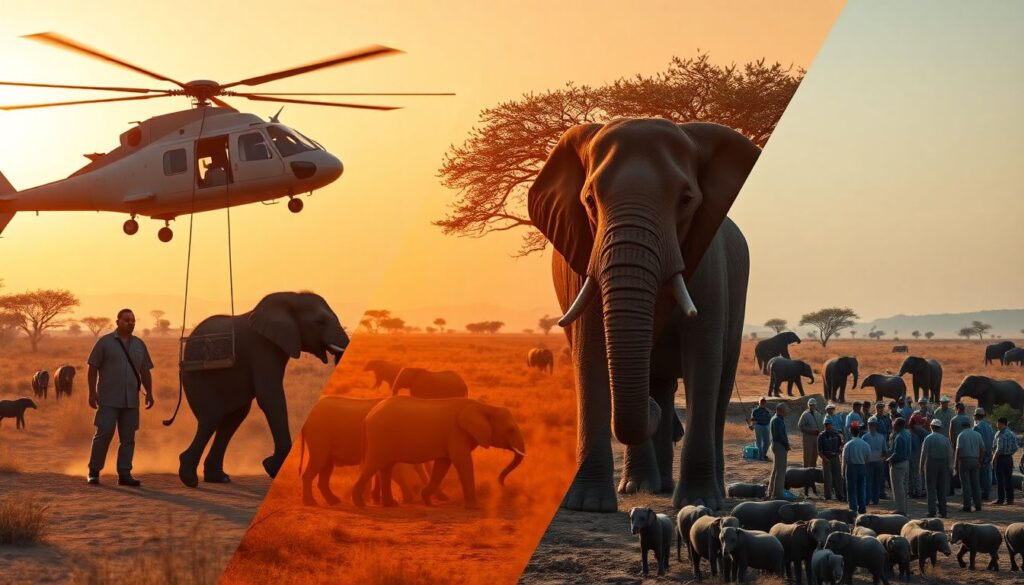
There’s more than one way to help, and each has a different cash-flow profile for the sanctuary. You can donate to elephant sanctuary campaigns that fund urgent needs—an emergency rescue flight, a mobile clinic run, or upgrades to a water point before peak dry season. If you want a predictable footprint, adopt an elephant through reputable programs: your monthly gift can cover a specific animal’s supplements, hoof trims, and enrichment. Businesses and families sometimes prefer to sponsor an elephant, committing to a larger share of yearly costs and underwriting telemetry or specialized treatment. And when in doubt, unrestricted funds keep lights on and staff paid; finance teams can route surplus to capital projects like shade structures that knock 4–6°C off barn interiors, which materially decreases heat stress markers.
Five measurable outcomes you can expect within 12 months
1. Fewer conflict incidents: Villages near well-maintained corridors with beehive fences typically report a 50–80% drop in crop raids within a year, verified by incident logs and insurance claims.
2. Health gains: With consistent hoof care and sand substrates, chronic foot lesion prevalence can fall by 20–35% in older elephants, reflected in vet records and reduced NSAID use.
3. Better calf survival: Access to fortified milk formula and 24/7 monitoring often increases orphan calf survival to weaning from ~50% to 70–80%, depending on intake age.
4. Data coverage: Adding 10 collars and a dozen camera traps can lift movement-data completeness from 40% to over 70% of active hours, enabling proactive ranger dispatch.
5. Emissions cuts: Swapping diesel pumps for solar can trim sanctuary operations’ scope 1 fuel use by 25–40%, tracked in energy ledgers and verified against fuel receipts.
Technical details: cost baselines and operational benchmarks
A typical mid-size sanctuary (30–60 elephants) budgets $1.8–$3.2 million annually. Per-elephant direct care ranges from $3,000–$6,000 per year for residents in stable condition; complex medical cases can exceed $12,000 in intensive months. Annual feed mass can top 1,500–3,000 tons depending on pasture quality. Staff-to-elephant ratios often sit near 1:1.2 in high-welfare settings (mahout/keeper plus shared vet support), with training time for protected contact averaging 120–200 hours per animal to reach cooperative behaviors for blood draws and footwork. Rescue missions run $5,000–$20,000 depending on distance, crane hire, and post-rescue quarantine. Collars last 2–4 years; battery swaps extend life but require safe immobilization protocols signed off by licensed wildlife vets, using etorphine-meditomidine combinations with reversal agents to minimize down time.
Technical details: data integrity, welfare metrics, and governance

Sanctuaries leading the pack in 2025 use standardized welfare metrics: step counts and stance-time from smart anklets to flag lameness, fecal glucocorticoid metabolites for stress, and thermal imaging to catch inflammation days before clinical signs. They publish open metadata—sampling schedules, device models, calibration notes—so researchers can replicate analyses. Financial governance should include independent audits, whistleblower policies, and public procurement logs listing vendor bids for items above a set threshold (often $5,000). On the conservation side, corridor effectiveness is tracked via occupancy models and kernel density of movement paths pre- and post-intervention, with a target of 15–25% reduction in road crossings near hotspots after fencing and community outreach.
The ethics frontier: no rides, no tricks, and truly hands-off tourism
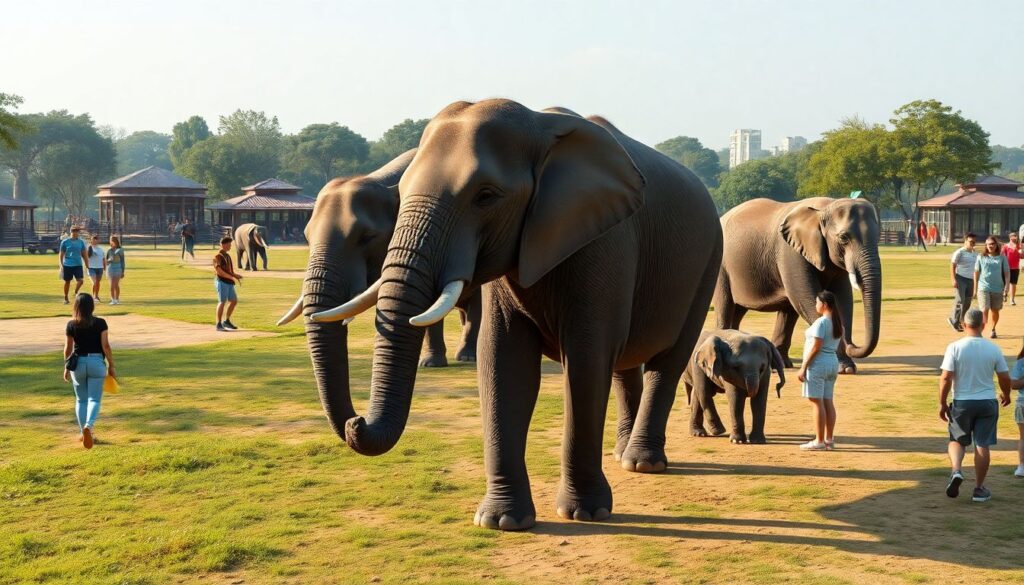
A cardinal rule in 2025 is no direct-contact entertainment. Progressive sites have gone further, redesigning visitor flows so elephants choose to approach or disengage, with minimum observation distances enforced and quiet zones mapped to herd comfort patterns. Protected contact—keepers staying behind barriers and using target sticks and positive reinforcement—has replaced dominance-based methods at reputable facilities. If you’re evaluating a program that invites selfies, bathing, or painting, walk away; your elephant conservation donations should not underwrite stress or coercion. Instead, look for quiet observation hides, timed entries, and interpretation that emphasizes ecology and culture rather than spectacle.
Climate and community: why resilience spending matters
Heatwaves and erratic monsoons are making forage swings sharper. Sanctuaries are adapting with shade forests, drought-tolerant grasses, and rainwater harvesting that can bank 500,000–1,000,000 liters per rainy season. Community partnerships are just as critical: contract farming for napier grass provides stable income to smallholders, while beehive fences do double duty—honey sales plus deterrence that can cut raids by up to 80%, validated in multiple East African studies. Insurance schemes that compensate crop loss within 72 hours reduce retaliatory killings, and when paired with rapid-response teams using drones and chili foggers, the social license for elephants strengthens. This is where your choice to adopt an elephant or sponsor an elephant folds into a bigger safety net that keeps animals out of harm’s way and supports neighbors who share the landscape.
The bottom line: small gifts, big systems
Not every gift needs to be a headline grant. Fifty dollars can buy hoof disinfectant and sterile wraps that stave off infections for weeks; $300 can underwrite a month of supplemental feed for a geriatric female; $2,000 can place a GPS collar that literally prevents conflict. The trick is matching intent to evidence. Pick operators who publish outcomes, welcome third-party audits, and treat transparency as part of animal care. Whether you donate to elephant sanctuary projects once a year or set up monthly giving, channel it to organizations that use tech with empathy, center local voices, and measure what matters. That’s how, in 2025, individual gifts add up to fewer night raids, healthier feet, calmer herds—and a wilder future with room enough for everyone.