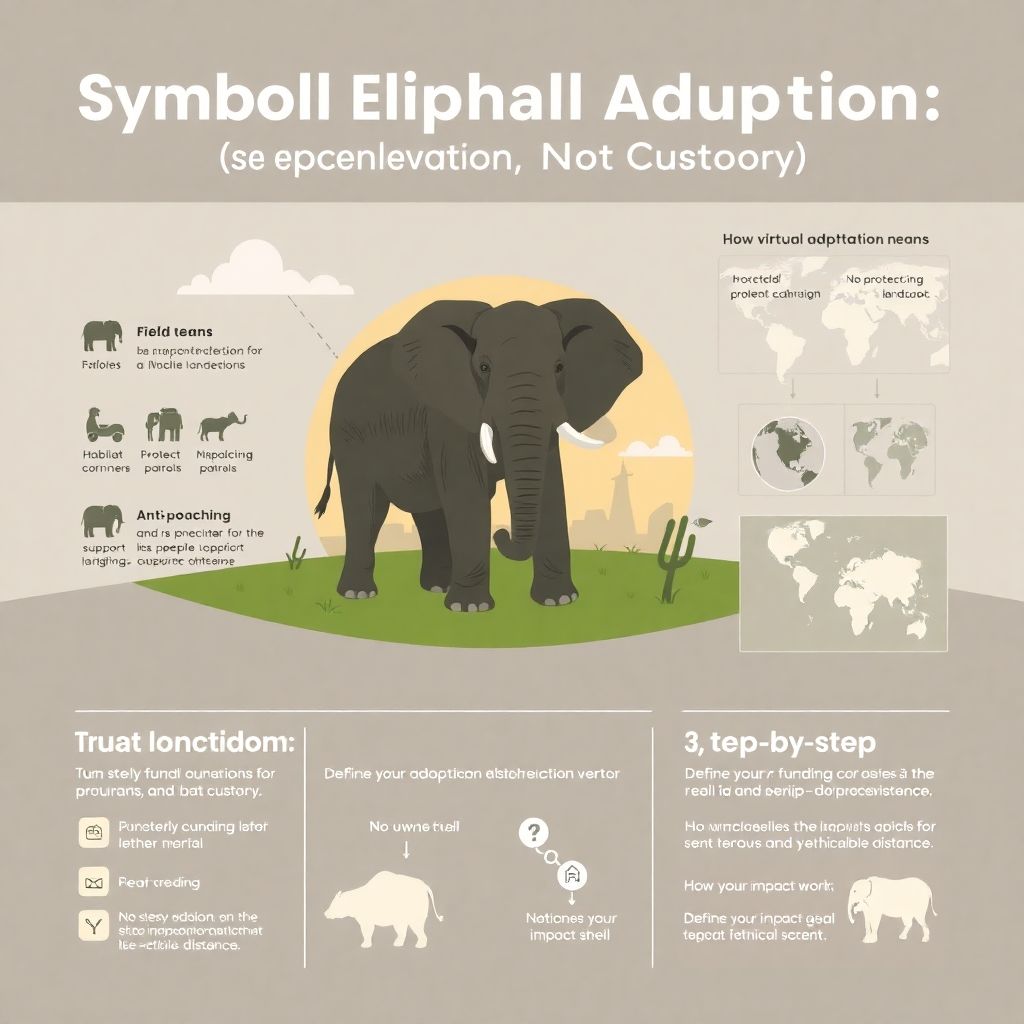
What “symbolic ownership” actually means
Symbolic elephant “ownership” is a commitment, not a claim. When you adopt an elephant virtually, you’re funding field teams, habitat protection, and anti-poaching operations rather than taking custody of an animal. The model solves a trust gap: donors want tangible outcomes, while conservation needs flexible budgets. Framed this way, “adopt an elephant” becomes a gateway to long-term support, where updates and reports act as accountability tools. Treat it like a micro-investment in resilience: fewer snares on patrols, more corridors safeguarded, better coexistence with communities that share land with elephants.
How virtual adoptions work: step-by-step
1) Define your impact goal. Are you drawn to human–elephant conflict mitigation, anti-poaching, or habitat connectivity? Your aim should guide who you sponsor an elephant with and which program fits best. Conflict mitigation may fund chili-fence kits and rapid response teams; anti-poaching aids patrol gear and intelligence; corridor projects focus on land deals and mapping. Clear goals keep you from chasing feel-good merch and steer you toward the boring—but decisive—line items that cut mortality and stress for herds.
2) Vet the organization. Look for independent audits, program-level KPIs, and transparent budgets. Reputable portals such as WWF adopt an elephant programs provide annual impact summaries and third-party evaluations. Read field notes, not just glossy brochures: do they report calf survival rates, snare removals, or corridor kilometers secured? If updates are purely anecdotal, ask for metrics or choose another partner. The time you spend here pays off by avoiding vanity projects and ensuring your symbolic adoption funds a proven strategy.
3) Choose the funding track and cadence. Monthly micro-donations smooth cash flow for rangers and veterinarians; annual gifts help with seasonal costs like water infrastructure. If you plan an elephant adoption gift, check whether the package prioritizes field work over swag. Digital certificates and story updates usually deliver the same emotional lift at lower overheads. Align cadence with your budget cycles, and set calendar reminders to reassess impact every quarter so you can pivot if the program’s needs or results change.
4) Lock in the payment and privacy settings. Use platforms that offer secure payment gateways and clear data policies. When you donate to elephant conservation, choose options that minimize processing fees—ACH or direct debit often beat credit cards. Opt out of printed mailers to cut waste and reallocate savings to field operations. If your employer matches donations, file immediately; matching can double patrol days funded without costing you extra. Save receipts and URLs of project pages for future impact tracking and tax documentation.
5) Establish feedback loops. Ask for quarterly metrics in a consistent format: patrol hours, snares removed, conflict incidents resolved, calves observed, corridor access days. Build a simple spreadsheet to log numbers over time, and flag anomalies for follow-up questions. If the organization encourages two-way communication, offer to fund short pilots (e.g., drone-assisted patrols) and request pre/post data. This conversation keeps your “sponsor an elephant” pledge from going passive and helps programs iterate faster on what actually protects herds.
Common pitfalls and how to avoid them
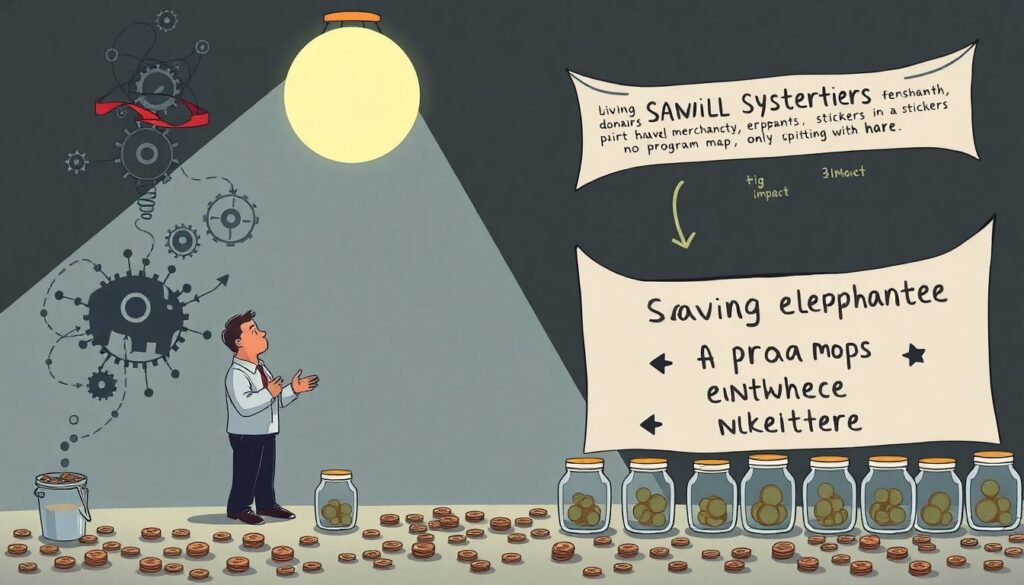
New donors often conflate stories with outcomes, focusing on charismatic individuals while the threats remain systemic. Another trap is overpaying for merchandise-heavy kits, which dilutes impact. Beware vague promises like “saving elephants everywhere” without a program map. Resist scattering small gifts across many groups; concentrated support compounds results within a landscape. Finally, avoid urgency spirals: perpetual “emergencies” can mask weak planning. Stable, predictable funding usually beats sporadic surges that leave rangers under-equipped between campaigns.
Legal and ethical boundaries
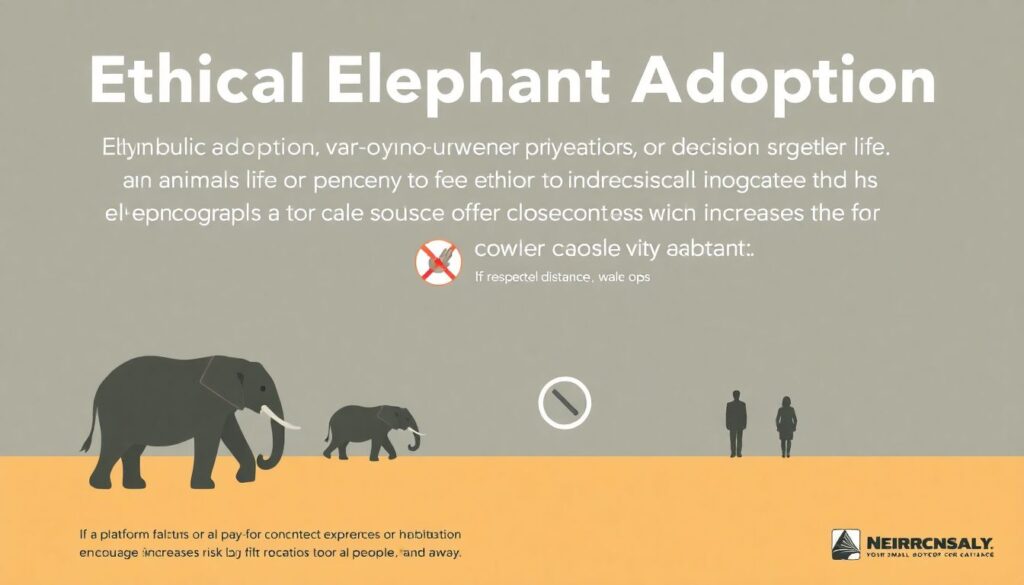
Symbolic adoption conveys no ownership rights, visitation privileges, or decision power over an animal’s life. Ethical programs will not offer close-contact experiences or encourage habituation, which increases risk for elephants and people. If a platform hints at pay-for-touch or photo ops, walk away; genuine conservation keeps elephants wild. Confirm that funds do not incentivize translocations without community consent or sound ecological rationale. Ethical clarity ensures your support strengthens coexistence rather than creating dependency or PR-driven relocations.
Creative strategies to amplify impact
Try “adoption stacking”: split your budget between a landscape NGO and a local community trust, linking corridor protection with livelihood programs that reduce crop loss. Turn an elephant adoption gift into a micro-campaign among friends: pick one measurable target (e.g., fund 300 patrol hours) and share monthly progress. Negotiate with your employer to add payroll giving plus volunteer data skills—many teams need GIS cleanup or dashboard building. Pilot conditional grants: release a second tranche if conflict incidents drop by a defined margin.
Starter tips for first-time donors
Begin with a three-month trial to test reporting quality and responsiveness. Prioritize programs that publish baseline data and clearly state assumptions. Choose digital over physical kits to free funds for boots and fuel. Ask blunt questions about failure: credible teams will explain what didn’t work and how they’ll pivot. If you feel unsure where to start, explore a WWF adopt an elephant plan for its structure, then compare two region-specific groups for fit. Commit small, measure honestly, scale only when the evidence warrants it.
Measuring real conservation impact
Impact is cumulative and often indirect. Track leading indicators like patrol coverage, snare density trends, and community hotline response times alongside lagging ones like calf survival. Correlate spending with outcomes over seasons, not weeks—elephant ecology moves on long arcs. When you donate to elephant conservation, ask for geospatial layers or summary maps to visualize corridor effectiveness. If metrics plateau, consider funding capacity (data management, vehicles, ranger training), the unglamorous backbone that converts donations into lasting protection.
Final checklist before you commit
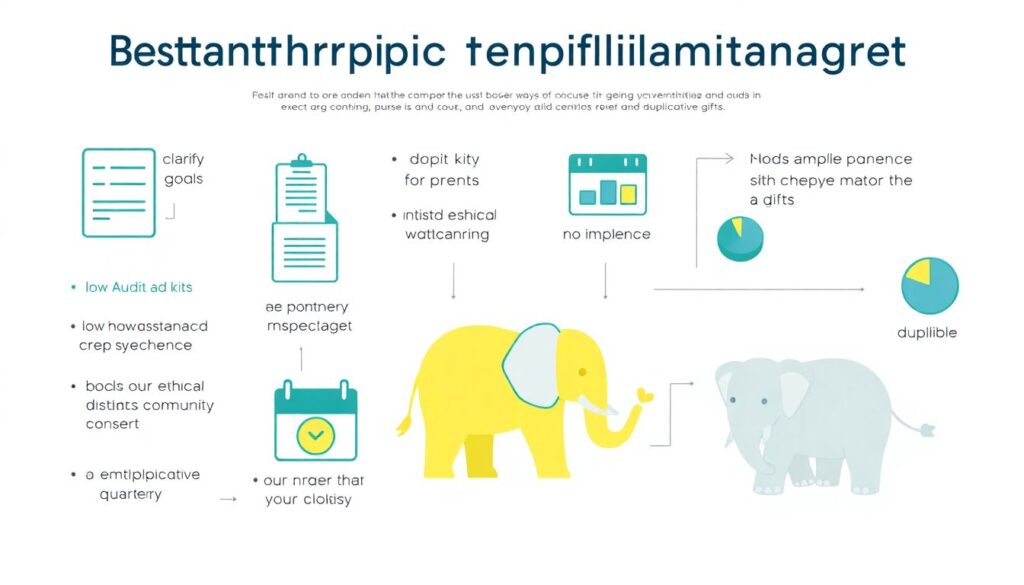
Clarify your goal, verify audits and KPIs, favor low-overhead kits, set a cadence, and create a simple dashboard for tracking. Insist on ethical distance and community consent standards. Use employer matching, avoid duplicative gifts, and revisit outcomes quarterly. Above all, treat “adopt an elephant” as sustained partnership, not a one-off feel-good moment. Small, consistent, evidence-led contributions outcompete flashy bursts. With intention and feedback, symbolic adoption becomes a lever that moves real-world safeguards for elephants and the people who live alongside them.